Language
 English
English
English
ASTRIAL
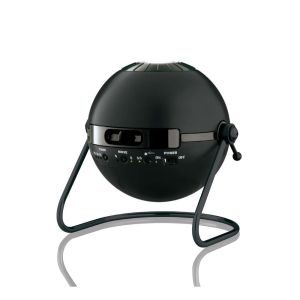
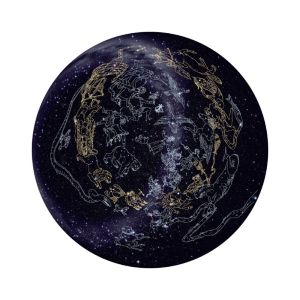
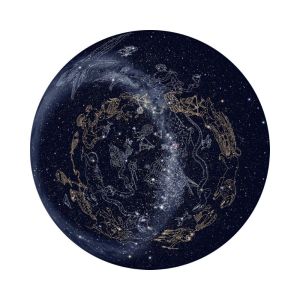
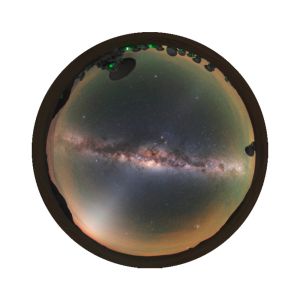
The discs for the Star Theatre home planetarium let you travel to many different parts of the universe from the comfort of your own home! - Designed and manufactured in Japan.
In Stock

Ships within 24-48 hours.
Orders received until 3 p.m. are usually shipped the same day.
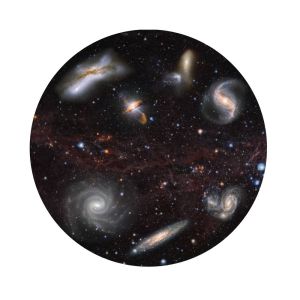
SEGA TOYS DISC FOR STAR THEATER - GALAXY
The discs for the Star Theatre home planetarium let you travel to many different parts of the universe from the comfort of your own home! - Designed and manufactured in Japan.
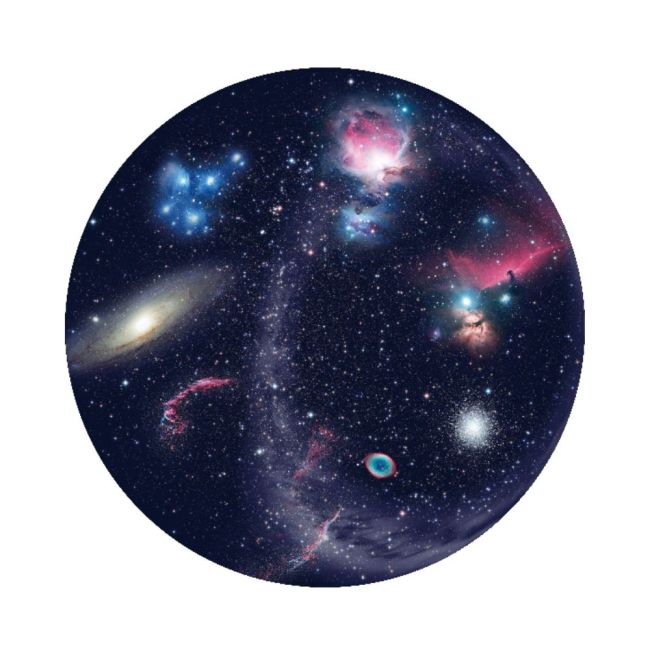
The night sky keeps a lot hidden from the naked eye. A myriad of colourful nebulae, star clusters and galaxies far away can only be discovered using telescopes.
The famous Orion Nebula is visible with the naked eye as the middle "star" in the sword of Orion, formed by the three stars located south of Orion's Belt. The nebula is a stellar nursery where new stars are being born, there are approximately 700 stars in different stages of formation. The Orion Molecular Cloud Complex extends throughout the constellation of Orion and also comprises the Horsehead Nebula. This nebula is the easternmost "star" of Orion's Belt, where a dark cloud of dust and gas shows the silhouette of a horse's head. The further vicinity comprises the Pleiades, which in Japanese are known by the name Subaru and which are a star cluster of middle-aged hot blue stars in the constellation of Taurus.
The universe not only hosts nebulae where stars are born, but there are also nebulae which are formed by the remnants of former stars. The Ring Nebula in the Summer Triangle is a planetary nebula in the constellation of Lyra, which is made up of expelled gas by a red giant star before becoming a white dwarf. The Veil Nebula in the constellation of Cygnus has been formed when a supernova twenty times as massive as the sun exploded. The supernova remnant is so large that various arcs of the nebula have their own name. There Western Veil, the Eastern Veil and the Pickering's Triangle are the main three components forming the Cygnus Loop.
Messier 13 is a cluster of several hundred thousand stars in the constellation of Hercules. The stars in the Hercules Globular Cluster are more than a hundred times denser than the stars in the neighbourhood of the sun. When two stars of the cluster collide, they produce new stars called blue stragglers.
The previous celestial objects were all within our galaxy. But there are also other galaxies, such as the Andromeda Galaxy. The spiral galaxy is about 2.5 million light years away from the Earth. It is the closest galaxy to the Milky Way and thus is among the brightest Messier objects and visible to the naked eye on moonless nights in the autumn sky.
The celestial bodies cannot be seen as clearly with the naked eye as depicted. However, it is very impressive to see their appearance in a science museum or at an observatory with a large telescope.

All orders we receive until 15:00 concerning products in our warehouse, processed on the same day

Well-trained scientific and technical personnel are available to you at any time, to solve the questions and concerns about your equipment.

If you are not satisfied with the product you received, you can return it within 14 days of receipt.

Experience you can trust. Planetarium of Thessaloniki is the largest supplier of astronomy goods in the Balkans
 Ελληνικά